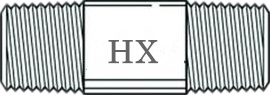


เมื่อออกแบบระบบขนถ่ายของไหล การตัดสินใจขั้นพื้นฐานประการหนึ่งคือวัสดุของข้อต่อท่อ ทีไปป์เป็นส่วนประกอบหัวต่อที่สำคัญ มีจำหน่ายในทองเหลือง ทองแดง เหล็ก และพลาสติกชนิดต่างๆ วัสดุแต่ละชนิดมีข้อดีและข้อจำกัดที่แตกต่างกัน บทความนี้เป็นการเปรียบเทียบวัตถุประสงค์ของทีท่อทองเหลืองกับทางเลือกอื่นๆ ช่วยให้วิศวกรและผู้รับเหมาเลือกข้อต่อที่เหมาะสมที่สุดสำหรับการใช้งานเฉพาะของพวกเขา
ทองเหลืองเป็นโลหะผสมทองแดง-สังกะสีที่ผสมผสานความแข็งแรง ความต้านทานการกัดกร่อน และความสามารถในการแปรรูปเข้าด้วยกัน ทีท่อทองเหลืองเหมาะสำหรับน้ำ น้ำมัน อากาศ และก๊าซธรรมชาติที่มีอุณหภูมิปานกลางถึงปานกลาง (โดยทั่วไปคือ 200°F ถึง 250°F ขึ้นอยู่กับโลหะผสมเฉพาะ) ทนทานต่อการเกิดสนิมและไม่ต้องเคลือบ ข้อต่อทองเหลืองยังง่ายต่อการร้อยด้ายและปิดผนึก อย่างไรก็ตาม ทองเหลืองมีราคาแพงกว่าพลาสติกและอาจเสี่ยงต่อการตกตะกอนในสภาวะน้ำที่รุนแรง หากไม่ใช้วัสดุเกรด DZRอุปกรณ์ท่อหงซินมีทั้งทีทองเหลืองมาตรฐานและ DZR เพื่อให้เข้ากับเคมีน้ำที่แตกต่างกัน
ข้อต่อทองแดงเป็นเรื่องธรรมดาในระบบประปาในที่พักอาศัย โดยเฉพาะอย่างยิ่งสำหรับน้ำดื่มและระบบทำความร้อนแบบไฮโดรนิก ทองแดงมีความทนทานต่อการกัดกร่อนได้ดีเยี่ยมและมีน้ำหนักเบากว่าทองเหลือง อย่างไรก็ตาม ทองแดงค่อนข้างอ่อนและอาจเสียหายได้จากการขันแน่นเกินไป โดยทั่วไปทีทองแดงจะต่อกันโดยการบัดกรีหรือการบัดกรีแข็งแทนการร้อยเกลียว ซึ่งต้องใช้แรงงานที่มีทักษะและเปลวไฟ ซึ่งเป็นข้อเสียในพื้นที่จำกัดหรือวัสดุที่ติดไฟได้ ในทางตรงกันข้าม ข้อต่อทีท่อทองเหลืองสามารถติดตั้งได้ด้วยประแจธรรมดาที่ไม่ต้องใช้ความร้อน สำหรับการใช้งานที่ต้องการการเชื่อมต่อแบบเกลียว ทองเหลืองโดยทั่วไปจะดีกว่าทองแดง
ตี๋ท่อเหล็ก(เหล็กกล้าคาร์บอนหรือเหล็กกล้าไร้สนิม)
ข้อต่อเหล็กมีพิกัดความแข็งแรงและความดันสูง ทำให้เหมาะสำหรับไอน้ำแรงดันสูง น้ำมันไฮดรอลิก และการส่งผ่านก๊าซ เหล็กกล้าคาร์บอนจำเป็นต้องมีการเคลือบป้องกัน (การชุบสังกะสีหรือการทาสี) เพื่อป้องกันสนิม และการเคลือบเหล่านี้อาจเสียหายได้ระหว่างการติดตั้ง สแตนเลสมีความทนทานต่อการกัดกร่อนได้ดีเยี่ยม แต่มีต้นทุนสูงกว่าทองเหลืองอย่างมาก เสื้อยืดเหล็กยังหนักกว่ามากและยากต่อการร้อยด้ายในสนาม สำหรับการใช้งานแรงดันปานกลางที่กังวลเรื่องน้ำหนักและการกัดกร่อน ให้ใช้ทีท่อทองเหลืองอุปกรณ์ท่อหงซินเป็นทางเลือกที่เบากว่าและกันสนิมแทนเหล็ก
ทีท่อพลาสติก (PVC, CPVC, PEX)
ข้อต่อพลาสติกมีต้นทุนต่ำ น้ำหนักเบา และมีภูมิคุ้มกันต่อการกัดกร่อนของกัลวานิก ทีพีวีซีและซีพีวีซีพบได้ทั่วไปในการระบายน้ำด้วยสารเคมีและระบบน้ำแรงดันต่ำ อย่างไรก็ตาม พลาสติกมีข้อจำกัด: การสัมผัสรังสียูวีจะทำให้พลาสติกส่วนใหญ่เสื่อมสภาพ อุณหภูมิสูงจะทำให้พลาสติกนิ่มลง และด้ายพลาสติกก็หลุดได้ง่าย ทีพลาสติกยังขาดความแข็งแกร่งสำหรับการบรรทุกหนักของท่อ ในทางตรงกันข้าม ทีท่อทองเหลืองจะรักษาความแข็งแรงไว้ที่อุณหภูมิที่สูงขึ้น และสามารถรองรับน้ำหนักท่อได้มากโดยไม่เสียรูป
การพิจารณาต้นทุน
ทีพลาสติกมีราคาที่ถูกที่สุด รองลงมาคือทองเหลือง ทองแดง และเหล็กกล้าคาร์บอน โดยที่สแตนเลสจะมีราคาสูงที่สุดสำหรับขนาดที่เท่ากัน อย่างไรก็ตาม ต้นทุนวัสดุเริ่มต้นเป็นเพียงปัจจัยเดียวเท่านั้น ต้องคำนึงถึงแรงงานในการติดตั้ง อายุการใช้งานที่คาดหวัง และค่าบำรุงรักษาด้วย ทีพลาสติกที่ล้มเหลวในห้าปีอาจมีราคาแพงกว่าในการเป็นเจ้าของทั้งหมดมากกว่าทีท่อทองเหลืองที่มีอายุ 30 ปีอุปกรณ์ท่อหงซินเสนอราคาที่แข่งขันได้สำหรับทีทองเหลือง ทำให้ต้นทุนตลอดอายุการใช้งานมีความน่าสนใจอย่างมาก
คำแนะนำการใช้งาน
-
สำหรับน้ำดื่มภายในอาคารที่มีแรงดันปานกลาง: ทองเหลืองหรือทองแดงก็เหมาะสมทั้งคู่ เลือกทองเหลืองสำหรับการเชื่อมต่อแบบเกลียว
-
สำหรับการติดตั้งกลางแจ้ง: ทองเหลืองทนทานต่อรังสียูวีและสภาพอากาศได้ดีกว่าพลาสติก
-
สำหรับระบบไฮดรอลิกแรงดันสูงเกิน 500 psi: มักต้องใช้เหล็ก ใช้ทองเหลืองภายในระดับแรงดันเท่านั้น
-
สำหรับก๊าซธรรมชาติหรือโพรเพน: ทองเหลืองเป็นวัสดุมาตรฐานและได้รับการอนุมัติเมื่อจัดอยู่ในประเภทบริการก๊าซ
-
สำหรับการทนต่อสารเคมี: โปรดดูแผนภูมิความเข้ากันได้ ทองเหลืองไม่เหมาะกับกรดแก่หรือแอมโมเนีย
โดยสรุป ทีท่อทองเหลืองมีพื้นตรงกลางในอุดมคติ: แข็งแรงกว่าพลาสติกและทองแดง ทนต่อการกัดกร่อนได้ดีกว่าเหล็กกล้าคาร์บอน และติดตั้งง่ายกว่าทางเลือกอื่นส่วนใหญ่ สำหรับการใช้งานประปาเชิงพาณิชย์และที่อยู่อาศัยส่วนใหญ่ ข้อต่อทองเหลืองคุณภาพจากผู้ผลิตที่เชื่อถือได้เช่นอุปกรณ์ท่อหงซินแสดงถึงความสมดุลที่ดีที่สุดของประสิทธิภาพ ความทนทาน และความคุ้มค่า